
Restaurant operations
Best Restaurant Pager System (No Hardware Needed)
Most "best pager system" roundups rank the same three coaster brands against each other on range and battery life. That's a fair contest for 2015. In 2026, the guest already has a device that vibrates, lights up, and never needs charging by you — and the real question is what a restaurant should actually be looking for once the puck is optional.
What's actually the best restaurant pager system in 2026?
For most full-service and quick-service restaurants, it's not a coaster fleet at all — it's a system that puts the buzz on the phone the guest already carries. The job a pager does is narrow: tell someone their table or order is ready, from anywhere in earshot of a decent signal. A guest's own smartphone already does vibration, sound, and a lock-screen alert better than a $40 puck, and it doesn't need a base station, a charging rack, or a replacement order when it goes missing.
Key Insights
- •Coaster pager range specs describe line-of-sight, not your dining room. Concrete, kitchen equipment, and interior walls are why "works at the host stand, dies by the patio" is such a common complaint.
- •A puck notifies whoever's holding it. A link sent to each phone in the party notifies everyone at once — genuinely useful the first time a group splits up to browse nearby shops.
- •The purchase price is the smallest number on the invoice over time. Lost or broken pucks run $30–$60 each, and batteries add roughly $8 per unit every year or two, for as long as the fleet exists.
- •A coaster's feature set stops at buzz-and-light. A phone screen the guest is already watching can carry a drink or appetizer offer, turning a pure cost center into something that pays part of itself back.
- •None of this means coaster pagers are badly made — LRS and JTECH both build durable hardware. It means the category's core assumption (guests don't carry a screen) stopped being true a while ago.
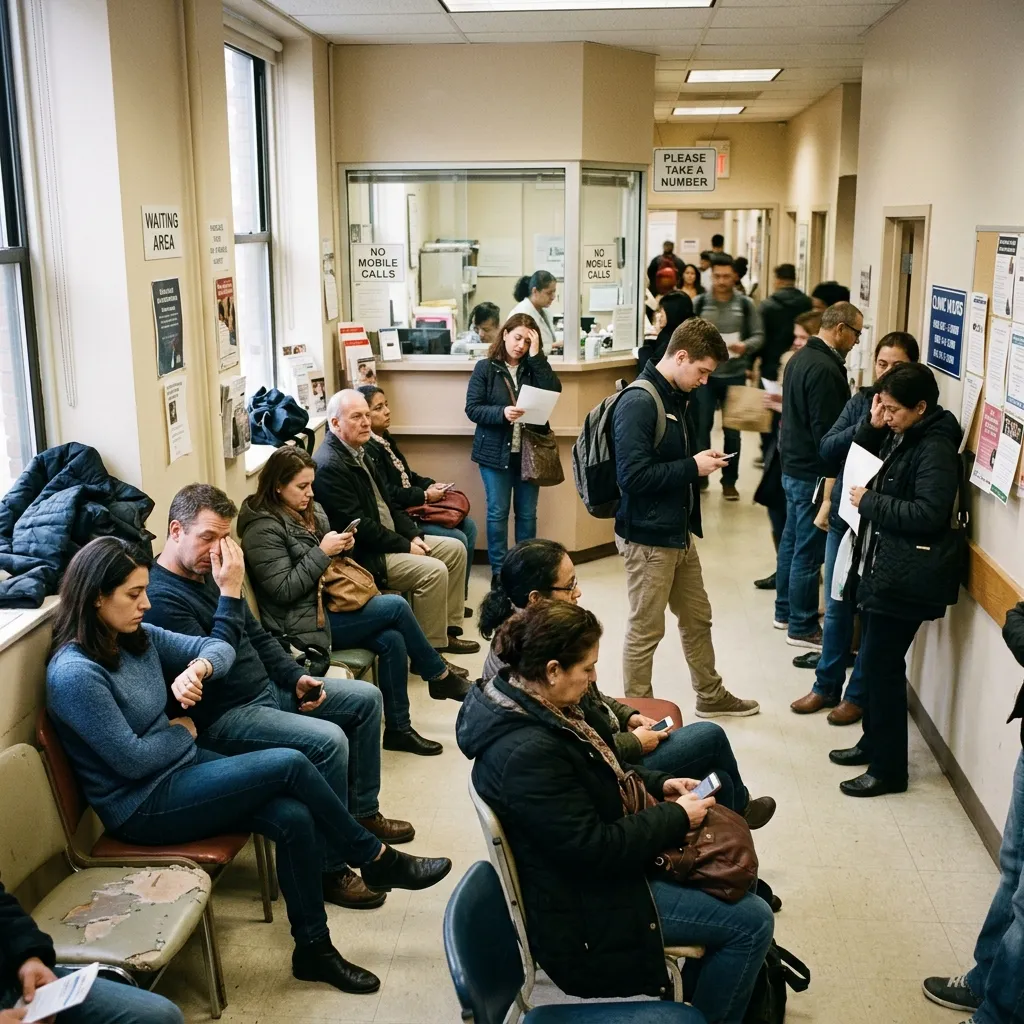
What to Actually Evaluate
Skip the brand-vs-brand spec comparison. These are the things that actually change how a Friday-night rush feels at the host stand.
1.Real-world range, not the spec sheet number
Hardware paging systems from brands like JTECH are rated for up to two miles line-of-sight. That's a lab number. Inside a real building, concrete, kitchen equipment, and a couple of interior walls cut it down fast — which is exactly why "works at the host stand, drops out by the patio" is one of the most common pager complaints. A system tied to cellular or Wi-Fi data doesn't have a line-of-sight ceiling in the first place.
2.What happens when a party of six is waiting, not one guest
A coaster hands one buzz to whoever's holding the puck, and that person has to go find the other five. A link sent to each phone in the party means everyone gets the same alert at the same time, which matters more than it sounds like the first Friday you're seating an eight-top that split up to browse three different shops.
3.The upfront-vs-recurring cost shape
A coaster fleet is a real purchase — commonly $800 to $2,000 for a base station and 20 to 40 pagers — and then a second, quieter budget line starts: replacement pucks at $30–$60 each, plus batteries running about $8 apiece on a one-to-two-year cycle per unit. None of that is a one-time cost. It repeats for as long as the fleet is in service.
4.Setup and staff turnover
A host stand with seasonal turnover trains someone new every few months. A puck-and-base-station system needs someone to learn charging routines, low-battery symptoms, and what to do when a pager goes missing mid-shift. A system that just says "scan this" has a lot less to get wrong on a new hire's first Friday.
5.Whether the wait is dead time or a chance to sell
A coaster lights up and buzzes — that's the whole feature set. A screen the guest is already looking at can show a drink or an appetizer while they wait, which is the difference between paging being a pure cost center and paging quietly paying for a slice of itself.
Why "Which Brand" Was Always the Wrong Question
LRS and JTECH built genuinely solid hardware, and for years ranking them against each other made sense — the category's whole premise was that the venue had to supply the device, because guests weren't reliably carrying one that could do the job. That premise is the part that's changed, not the engineering. A modern smartphone already vibrates, lights up, and displays a countdown better than a purpose-built coaster ever could, and it's already charged, already in the guest's pocket, and already something they know how to use.
Once you accept that, "best restaurant pager system" stops being a question about which base station to buy and becomes a question about whether you need a base station at all. For plenty of restaurants, the honest answer used to be yes — spotty phone signal in a basement dining room, or a clientele genuinely unlikely to want to use their own device. Those cases still exist. They're just a smaller slice of restaurants than the coaster-pager industry's marketing would suggest, and for a fleet that's already breaking down, replacing it with more of the same hardware is rarely the cheapest fix available.
What This Looks Like on an Actual Friday Night
A guest checks in at the host stand by scanning a QR code or tapping an NFC tag — no app to download, nothing to hand over, nothing to collect back later. They get a live wait tracker in their own browser and are free to wander to the bar next door, sit in the car, or walk the block, because the alert travels over their phone's own data connection rather than a short-range radio signal from a base station. When the table's ready, their phone buzzes the same way a coaster would, and if they came as a group of six, everyone's phone buzzes, not just whoever was holding the puck.
While they're watching that tracker, it's also the one moment a restaurant can put a drink or an appetizer in front of them without a server having to catch their eye across a crowded lobby. A coaster never had that option — it's a light and a vibration, full stop. The screen replacing it can nudge a sale, which is a meaningfully different economic position: paging goes from being pure overhead to something that can pay back part of its own cost. If tables are the whole operation, the restaurant pager app covers what setting this up actually looks like, start to finish.
Coaster Pagers vs. a Phone-Based System
Not a brand comparison — the actual trade-offs restaurants run into.
| Consideration | Coaster pagers | Phone-based (Bzz) |
|---|---|---|
| Typical setup cost | $800–$2,000 for a base station and 20–40 coasters | $0 — no hardware to buy |
| Ongoing hardware cost | $30–$60 per lost or broken pager, plus batteries | None — nothing to lose, charge, or replace |
| Range in practice | Rated for line-of-sight; walls and equipment cut it down | Runs on cellular/Wi-Fi data — no line-of-sight limit |
| Whole party notified | One puck, one holder | Every phone in the party, at once |
| Staff training | Charging routines, low-battery symptoms, lost-unit process | Scan a code, tap ready — nothing else to learn |
| Selling during the wait | Not possible | Drinks, appetizers, and add-ons on the tracker screen |
Hardware and replacement costs are industry estimates for coaster (PVA) fleets, not Bzz figures.
Bzz runs a free plan for small waitlists, and paid plans start at $11.99/month once you outgrow it — no base station required either way.
See Bzz — Free to StartFrequently Asked Questions
Keep Learning
Best Guest Paging Systems 2026
The broader brand-by-brand comparison across venue types, not just restaurants.
PVA Pager Replacement
Coaster fleet worn out? How the replacement options compare over three or four years.
Restaurant Pager App
What setting up a phone-based waitlist actually looks like, start to finish.
Best Food Truck Order Tracking System
The same no-hardware case, built for a mobile truck instead of a dining room.
JTECH Pager Battery Replacement Guide
Still running hardware? Find the right battery and what it costs over time.
A working coaster fleet isn't broken just because a newer option exists, and plenty of dining rooms run them well. But if you're evaluating a restaurant pager system from scratch, or replacing one that's already costing you in batteries and lost pucks, it's worth trying the phone-based version before buying more hardware.